Where should you take the temperature of tomato basil soup

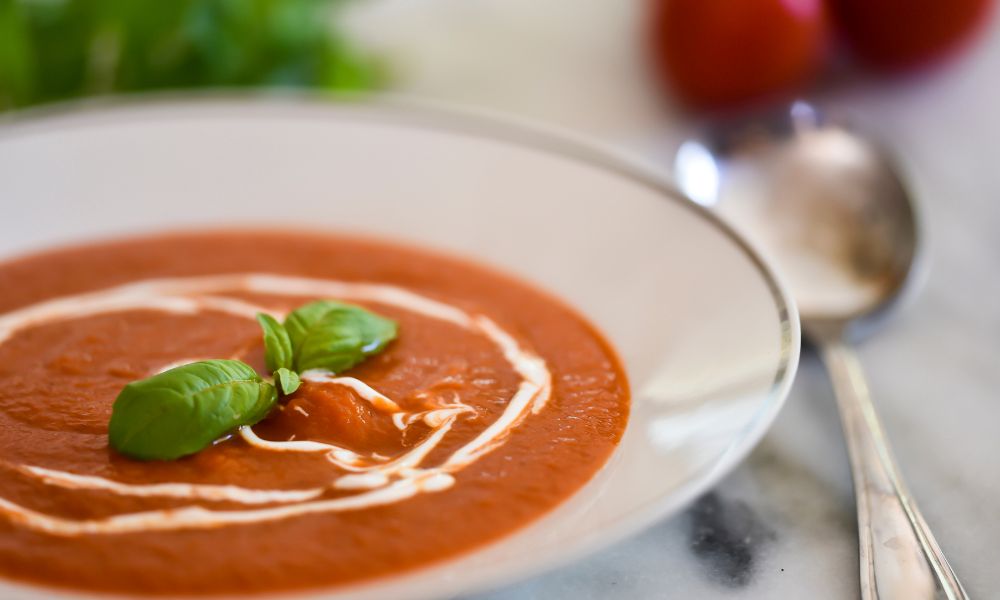
To get the best taste and safety, check your tomato basil soup’s middle part for a heat range of 136°F to 162°F.

Jump to Step-by-Step Guide

Hey everyone, John Bird here! Remember me from your favorite blog, Boat Basin Cafe? Yep, the same Boat Basin Cafe that used to simmer up the best eats in downtown New York (RIP!). Turns out, being a chef and barista there wasn’t just about slinging coffee and whipping up fancy salads. I learned a boatload (pun intended!) about cooking – especially the art of mastering that magical bowl of tomato basil soup.

And guess what? Today, I’m spilling the beans (not the literal ones, those go in the soup!) on the secret to achieving perfect temperature in your tomato basil creation. Why temperature? Well, it’s like the magic key that unlocks both safety and flavor. Nobody wants burnt tongues or bacteria parties in their bowls, right?

So, grab your aprons, seventh-graders, and let’s dive into the delicious depths of Boat Basin Cafe’s Temperature Tips for Tomato Basil Soup:
Where should you take the temperature of tomato basil soup 1

Boiling Down the Basics: Why Temperature Matters

Remember when your science teacher talked about “germs”? Those tiny villains love lukewarm places to hang out. But crank up the heat in your soup, and poof! They disappear like smoke signals. That’s why getting the temperature right is not just about avoiding ouchies on your tongue, it’s about keeping you and your friends safe and healthy.

But wait, there’s more! Think of temperature as the magic wand that unlocks the hidden flavors in your tomatoes and basil. Too cold, and you’re stuck with a bland broth. Too hot, and it’s like you’re yelling at your taste buds with spice. But get it just right, and bam! Your soup explodes with a symphony of deliciousness.FoodSafety.gov

Where should you take the temperature of tomato basil soup?
Where should you take the temperature of tomato basil soup

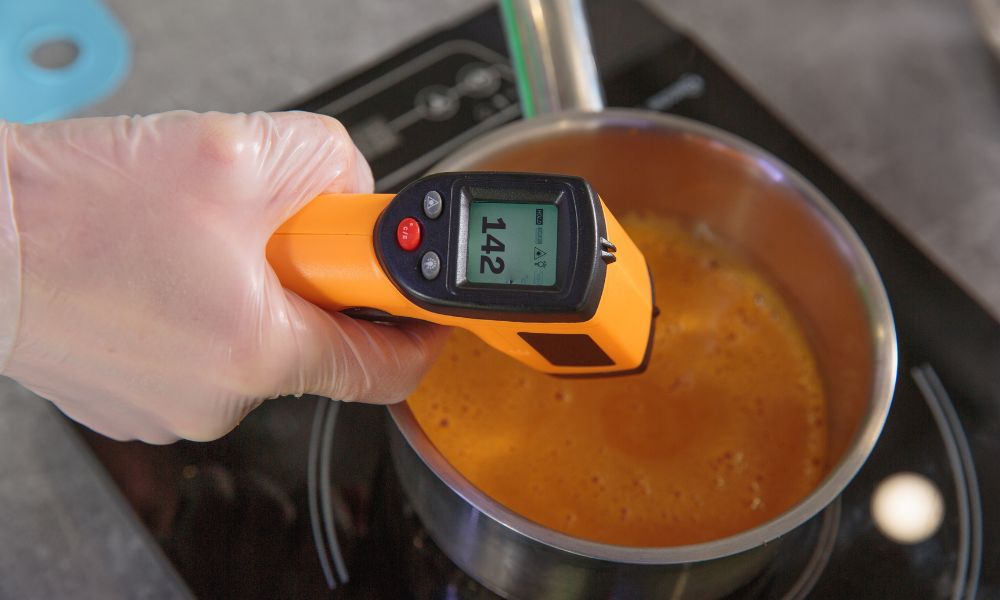
Forget poking around the sides or bottom of your pot like a lost pirate searching for buried treasure. The temperature treasure chest for your soup is hidden in the center. That’s the warmest spot, so when it’s hot there, you know the whole party’s heated up just right.

Here’s how to be a temperature-reading pro:

  1. Give it a whirl: Swirl your soup gently like a mini tornado. This helps the heat spread evenly, so your thermometer doesn’t get confused.
  2. Dive in! Plunge your thermometer probe (that pointy metal thingy) into the center of the soup. Just like Goldilocks and her porridge, don’t touch the sides or bottom – they might be hotter or colder than the soup itself.
  3. Hold steady: Wait a few seconds for your thermometer to whisper the temperature secrets in its metal ear.

Hitting the Right Numbers: Safety & Flavor Zones

Now, let’s talk numbers! To keep those bad bacteria at bay, your soup needs to reach at least 165°F (74°C) for a victory lap of at least 1 minute during cooking. This is especially important if you’re reheating leftover soup – like, who has time to make fresh tomato basil every day? (Hint: not this chef!)

But for maximum tastebud satisfaction, aim for a cozy range of 140°F to 160°F (60°C to 71°C) when serving. Remember, the soup might cool down a bit when you ladle it into bowls, so shoot for the higher end if you like it extra toasty.

The Science of Heat Distribution in Cooking Soups

Ever wonder why you stir your soup? It’s not just a ritual to pass the time (though it can be a pretty satisfying rhythm!). Stirring is actually a crucial step in mastering the art of soup, because it’s all about understanding how heat dances in your pot.

Think of your pot as a miniature sun, radiating warmth outwards. Just like sunlight hitting Earth, the heat starts at the bottom and sides, where it touches the flame or burner. But unlike Earth’s stubborn clouds, our soup craves an even tan – we want every tomato and basil leaf basking in the perfect temperature.

That’s where stirring comes in. It’s our dance with the heat, swirling those lazy pockets of coolness near the center into the toasty embrace of the pot’s edge. Imagine tiny temperature spies (aka food thermometers) dropped into your soup – one by the edge, feeling the fiery inferno, another near the center, taking a lukewarm siesta. This unevenness is why we aim for the center when measuring soup temperature. It’s the cozy comfort zone where all the heat waves meet, the magic number that unlocks deliciousness.

But wait, there’s more to heat than just stirring! Did you know different pot materials conduct heat differently? Cast iron, like my old Boat Basin Cafe favorite, acts like a heat reservoir, storing and radiating warmth like a miniature sun. Stainless steel, on the other hand, is more of a heat messenger, passing it along quickly but not holding onto it as much. This means, depending on your pot, you might need to adjust the heat source or stirring frequency to achieve that consistent simmer.

Remember:

  • Stirring is your heat-spreading superhero, ensuring every nook and cranny of your soup gets the same warm welcome.
  • Center stage: Measure temperature in the middle of your pot, where all the heat parties converge.
  • Know your pot: Different materials conduct heat differently, so adjust your heat and stirring accordingly.

Bonus Tips from the Boat Basin Chef:

  • Digital delights: Get yourself a fancy digital thermometer! They’re super quick and accurate, like a superhero for temperature reading.
  • Reheating right: Don’t be a reheating rookie! Always bring leftover soup back to 165°F before serving.
  • Leftover love: Got extra soup? Cool it down quickly in an ice bath or shallow container in the fridge. Those sneaky bacteria hate the cold!

Step-by-Step Guide to Perfect Soup Temperature

Thermometers are the unsung heroes in the pursuit of the perfect tomato soup. Knowing how do you take the temperature and, more importantly, doing it correctly, makes for an invaluable step in the soup-making process.

  1. Select the Right Thermometer: Choose a thermometer suitable for measuring liquid temperatures. A digital instant-read thermometer is often a good choice.
  2. Prepare Your Soup: Cook your tomato soup as per your recipe until it reaches the stage where temperature checking is necessary.
  3. Clean the Thermometer: Before inserting it into the soup, ensure the thermometer probe is clean to maintain hygiene and accuracy.
  4. Insert the Thermometer Probe: Carefully place the thermometer probe into the soup. Avoid touching the bottom or sides of the pot with the probe, as this can give an inaccurate reading.
  5. Position the Probe Correctly: Suspend the probe midway in the liquid part of the soup. Ensure it is not in contact with any solid ingredients like chunks of tomato or vegetables, as this could affect the temperature reading.
  6. Wait for the Reading: Allow the thermometer a few moments to register the temperature. Digital thermometers typically give a quick reading.
  7. Check the Temperature: Read the temperature displayed on the thermometer. For tomato soup, the ideal serving temperature is often around 140°F to 160°F (60°C to 71°C), but this can vary based on personal preference and recipes.
  8. Remove and Clean the Thermometer: After checking the temperature, remove the thermometer and clean it immediately for hygiene and to prevent cross-contamination.
  9. Adjust Soup Temperature if Needed: If the soup is not at your desired temperature, adjust the heat accordingly and recheck after a few minutes.
  10. Serve the Soup: Once the soup reaches the perfect temperature, it’s ready to be served.

What Goes Well with Tomato Basil Soup
Where should you take the temperature of tomato basil soup 2

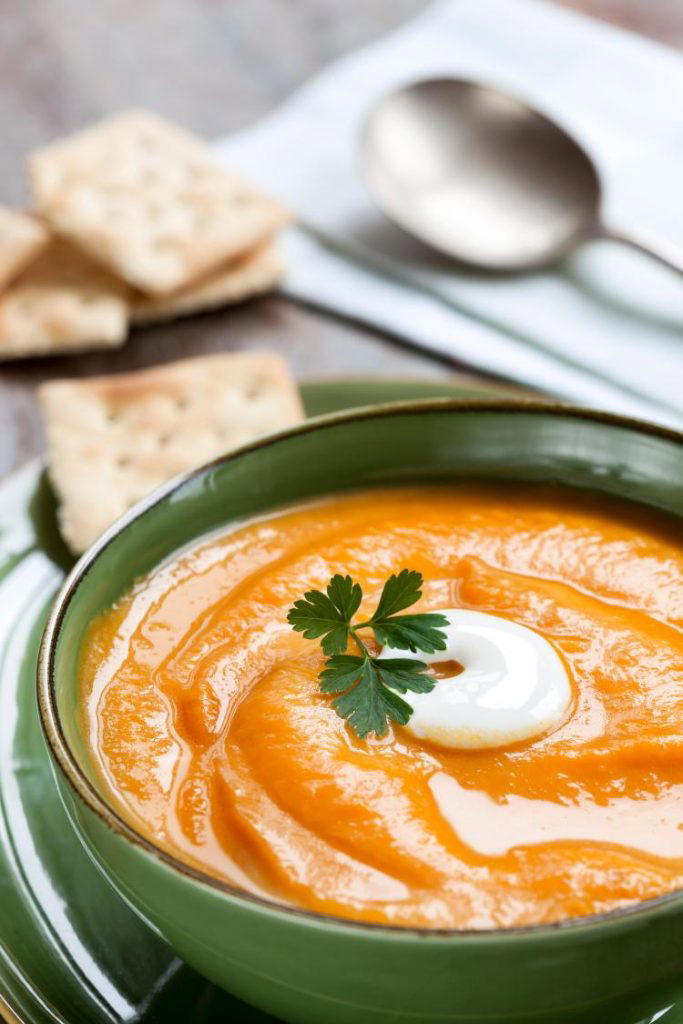
Your soup can be part of a bigger meal, too. Grilled cheese sandwiches are a classic combo, but there’s more you can try. Like what if you add pasta? Or maybe sprinkle some cheese on top? Find what you love to pair with your soup.

When you’re serving soup, think about colors and shapes, too. Bright veggies or a salad can add color to the table. Crunchy crackers or toasted bread add fun shapes and textures. Mixing it up can be really cool. Eat Right, a nutrition site, says eating different foods together can be healthy and yummy.

Serving soup gives you a chance to be creative. Add in your favorite things. Maybe try some herbs or little pasta shapes. It’s up to you what goes into your soup. That’s the cool part of cooking. You make it the way you like it, and every time can be a new adventure.

Troubleshooting Tomato Basil Soup Temperature Woes

Even the most seasoned chefs encounter hiccups in the kitchen, and temperature measurement can be one of them. Fear not, culinary comrades! Here’s a handy guide to tackling common tomato basil soup temperature woes:

Problem: My thermometer isn’t reaching the recommended temperature!

  • Possible culprit: Faulty thermometer? Double-check its accuracy against another thermometer or boiling water (100°C/212°F).
  • Another suspect: Not stirring enough! Ensure thorough mixing before checking the temperature. Remember, the center holds the secret.
  • Heat culprit: Is your heat source too low? Adjust it to achieve a steady simmer.

Problem: My soup cools down too quickly after serving.

  • Solution: Pre-heat your bowls! Warm plates keep your delicious creation toasty longer.
  • Double-duty pot: Transfer your soup to an insulated pot for slower temperature decline.
  • Thickening it up: Adding thickening agents like cornstarch or roux can slightly improve heat retention.

Problem: The temperature is perfect, but my soup tastes bland.

  • Flavor fix: Remember, temperature is just one part of the equation. Adjust seasonings with salt, pepper, herbs, or a squeeze of lemon juice for added punch.
  • Freshness matters: Ensure your ingredients are at their peak ripeness for maximum flavor potential.
  • Simmering secrets: Sometimes, letting your soup simmer gently for a longer period allows flavors to deepen and meld beautifully.

Bonus Tip: Investing in a digital thermometer with instant read can be a game-changer for quick and accurate temperature checks.

Becoming a Soup Temperature Expert

There you have it, folks! The Boat Basin Cafe’s secrets to nailing the perfect temperature in your tomato basil soup. Now go forth and conquer your kitchens, knowing you’ve got the temperature wisdom of a seasoned chef (me!) behind you.

Remember, practice makes perfect, so don’t be afraid to experiment and find your own delicious sweet spot. And hey, if you have any questions, feel free to drop a comment below – I’m always happy to chat food!

FAQs

Where should you take the temperature of tomato basil soup?

Measure the temperature in the middle part of the soup after stirring, aiming for a temperature range of 136°F to 162°F, and if reheating, ensure it reaches at least 165°F for one minute.

Where should you take the temperature of shredded pork in a hot holding pan?

General advice is to take the temperature at the thickest section of the pork, avoiding the pan.

What is the minimum internal cooking temperature for whole lobster?

Typically the minimum internal temperature should be 145°F (63°C).

What is the maximum amount of time allowed for safely reheating food?

However, food should be reheated to 165°F (74°C) within two hours.

Where should you take the temperature of a baked ham?

Measure in the thickest part of the ham, avoiding bone or fat for an accurate reading.

What internal temperature must vegetables reach while cooking? 

If holding hot, vegetables should maintain 135°F (57°C).

What is the minimum hot holding temperature required for pasta with Alfredo sauce?

It should be 135°F (57°C) for safety.

What is the maximum cold holding temperature allowed for shredded lettuce?

Maintain shredded lettuce at 41°F (5°C) or below for safety.

Where do you take the temperature of soup? 

Aligning with the first, take the temperature in the middle part of the soup, aiming for a range of 136°F to 162°F, and at least 165°F for one minute if reheating.

What temperature should tomato soup be?

Tomato soup should be between 136°F to 162°F, and heated to at least 165°F for one minute when reheating for best taste and safety.

What is the best temperature to serve soup? 

Soup is best served at a comfortable eating temperature of 160°F to 180°F, ensuring it has been heated to at least 165°F if previously cooled or refrigerated.
How to Store Taco Meat: Best Methods for Leftovers and Meal Prep

Do you often have lots of taco meat leftover from your meals? 🌮 This is the right place to keep taco meat fresh without losing taste and texture. In this blog post, you’ll find easy ways to store raw and cooked taco meat.

🥩 Learn how to keep taco meat fresh, save its flavor, and have tasty tacos without waste. 🌟 Prepare to change your kitchen habits and enjoy your taco meat fully! 🍽️

Key Recommendations:

Storage Duration 📆: Leftover taco meat should be stored in an airtight container in the refrigerator for 3-4 days.

Extended Storage 📦: Use freezer bags or glass containers for longer storage. Always label them with the date to track freshness.

Thawing & Reheating 🔥: Thaw the meat in the fridge to avoid a rubbery texture. Reheat in a stovetop pan to prevent drying out.

Air Removal Techniques 🌀: Use vacuum-sealed bags or water displacement methods to remove air before freezing.

Batch Cooking Tip 🍳: Cooking 3-4 pounds of meat at once is recommended for easy dinners.

how to store taco meat

Refrigeration: Method and Duration for Taco Meat 🌮

When it comes to storing leftover taco meat in the refrigerator, there are a few key considerations to keep in mind.

Proper Storage Method 📦

First and foremost, it’s important to store the meat properly to ensure its freshness and prevent any potential foodborne illnesses. To do so, transfer the leftover taco meat into an airtight container or wrap it tightly with aluminum foil or plastic wrap before placing it in the refrigerator.

Duration 🗓️

In terms of duration, refrigerated taco meat can typically be stored for 3-4 days. This timeframe allows ample time to incorporate the flavorful leftovers into other delicious meals.

🚨 Note: This is a general guideline and should always be complemented by your own visual and olfactory assessment of the meat. If you notice any signs of spoilage, such as an off smell or unusual appearance, it’s best to discard the meat to err on the side of caution.

Repurposing Leftovers 🍲

Now that we understand how long taco meat can be safely stored in the refrigerator let’s explore some handy ways you can repurpose those delicious leftovers.


Quick Recap 📋

  • Proper Storage: Leftover taco meat should be stored in an airtight container or wrapped tightly before being placed in the refrigerator.
  • Storage Duration: Can typically be stored for 3-4 days.
  • Spoilage Signs: Use your own judgment and discard any meat that shows signs of spoilage.
  • Repurposing: Repurposing leftover taco meat is easy, and there are many delicious ways to enjoy it in new meals.

Handy Usage of Leftover Refrigerated Taco Meat 🍽️

  • Taco Salad 🥗: Create a refreshing salad by combining chilled taco meat with crisp lettuce, diced tomatoes, sliced avocado, shredded cheese, and your favorite dressing. Top it off with some crushed tortilla chips for added crunch.
  • Tacos or Burritos 🌮🌯: Reinvent your leftovers by transforming them into tacos or burritos. Simply heat up the refrigerated taco meat on the stovetop until warmed through, then load up your tortillas with your desired toppings like sour cream, salsa, guacamole, and shredded lettuce.🤔 Quick Tip: Imagine rummaging through your refrigerator and finding that container of leftover taco meat. You can quickly warm it up, throw in some sautéed veggies, sprinkle on some cheese, and create a mouthwatering quesadilla in minutes.
  • Loaded Nachos 🧀: For a fun and delicious snack or appetizer, arrange a layer of tortilla chips on a baking sheet and top them generously with the reheated taco meat, shredded cheese, black beans, jalapeños, and any other toppings you desire. Pop them in the oven until the cheese melts and serve with guacamole and salsa.
  • Taco Soup 🍲: Give your leftovers a cozy twist by transforming them into a flavorful taco soup. Add the refrigerated taco meat to a pot along with broth, diced tomatoes, black beans, corn, and your preferred seasonings. Simmer it all together until heated, and enjoy a comforting bowl of soup.

These are just a few examples of how you can repurpose your refrigerated taco meat into new and exciting meals. The possibilities are endless, so don’t be afraid to get creative in the kitchen!

Freezing Taco Meat: Process and Longevity

When it comes to saving leftover taco meat or batch cooking for meal prep, freezing is a convenient option. You can extend its longevity by properly freezing taco meat while maintaining its quality and flavor. Here is a step-by-step process for freezing taco meat effectively:

  1. Cool the meat: Allow the cooked taco meat to cool to room temperature before freezing. This helps prevent condensation and freezer burn.
  2. Choose suitable containers: Opt for freezer-safe bags, airtight containers, or vacuum-sealing systems to store your taco meat. Ensure that they are labeled with the date of freezing for easy tracking.
  3. Remove excess air: If using freezer bags, squeeze out as much air as possible before sealing them to minimize the potential for freezer burn.
  4. Portion control: Divide the taco meat into smaller portions based on how much you typically need for a meal or recipe. This way, you can thaw only what is necessary without wasting any leftovers.
  5. Freeze promptly: Place the prepared containers or bags of taco meat in the freezer as quickly as possible after portioning and sealing to maintain freshness.
Storage Container Recommended Longevity
Freezer bags 3-4 months
Airtight containers Up to 6 months
Vacuum-sealed bags Up to 12 months

Now that you have successfully frozen your taco meat let’s explore some creative ways to utilize those delicious frozen leftovers!

Preparing Meals with Frozen Taco Leftovers

Having frozen taco meat on hand opens up numerous possibilities for quick and convenient meals. Here are some ideas on how to repurpose your frozen taco leftovers:

  1. Taco Salad: Use your thawed taco meat as a flavorful topping for a refreshing salad. Combine it with crispy lettuce, diced tomatoes, shredded cheese, salsa, and sour cream for a delicious and satisfying meal.
  2. Taco Soup: Add your thawed taco meat to a pot of warm broth along with beans, vegetables, and spices to create a hearty taco-inspired soup. Serve it with tortilla chips or cornbread for extra crunch.
  3. Loaded Nachos: Spread a layer of tortilla chips on a baking sheet and top them with the thawed taco meat, melted cheese, jalapeños, and any other desired toppings. Pop it in the oven until the cheese is melted and bubbling for a crowd-pleasing snack or appetizer.
  4. Quesadillas: Fill tortillas with thawed taco meat and shredded cheese, then heat them in a skillet until the cheese is melted and the tortillas are crispy. Serve with salsa, guacamole, or sour cream for dipping.
  5. Stuffed Bell Peppers: Cut off the tops of bell peppers, remove the seeds, and stuff them with a mixture of thawed taco meat, rice, black beans, and cheese. Bake them until the peppers are tender, and the filling is heated.

Imagine coming home after a long day and effortlessly whipping up some tasty loaded nachos using your frozen taco meat. The convenience of having pre-cooked taco meat ready to go allows you to prepare quick meals without compromising flavor or quality.

So go ahead and experiment with these ideas or create your own innovative recipes using your frozen taco leftovers – the possibilities are endless!

  • The U.S. Food and Drug Administration advises refrigerating cooked taco meat within 2 hours after cooking to prevent bacteria growth.
  • Storing cooked taco meat in the freezer can extend its shelf life up to 3-4 months, as attested by food preservation studies.
  • The U.S Department of Health & Human Services states that reheating leftover taco meat to a temperature of 165 degrees Fahrenheit eliminates harmful bacteria, ensuring safe consumption even after multiple days of storage.

Tactics for Efficient Packing and Sealing

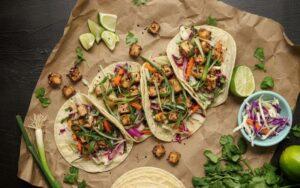
Roasted Potatoes Breakfast Tacos

Key Considerations for Storing Taco Meat:

Portioning: Divide taco meat into individual servings before storing. This step:

  • Allows easy retrieval of specific amounts.
  • Reduces air exposure and possible bacterial growth.

Use small resealable bags or individual food containers.

Air Removal: Minimize air in storage containers to:

  • Reduce freezer burn risk.
  • Preserve meat integrity over time.

Opt for vacuum-sealed bags or use the water displacement method for zip-lock bags.

  • Reusable Options 🌍: For environmentally-friendly choices:
    • Choose silicone food storage bags.
    • Invest in glass containers with airtight lids.

Choosing the Right Containers for Taco Meat Storage 🥩

Consideration Benefits Examples
Portioning – Easy retrieval<br>- Reduces air exposure – Small resealable bags<br>- Individual food containers
Air Removal – Reduces freezer burn risk<br>- Long-term meat preservation – Vacuum-sealed bags<br>- Water displacement for zip-lock bags
Reusable Options – Eco-friendly<br>- Reliable sealing – Silicone food storage bags<br>- Glass containers with airtight lids

Selecting the Right Containers for Taco Meat Storage

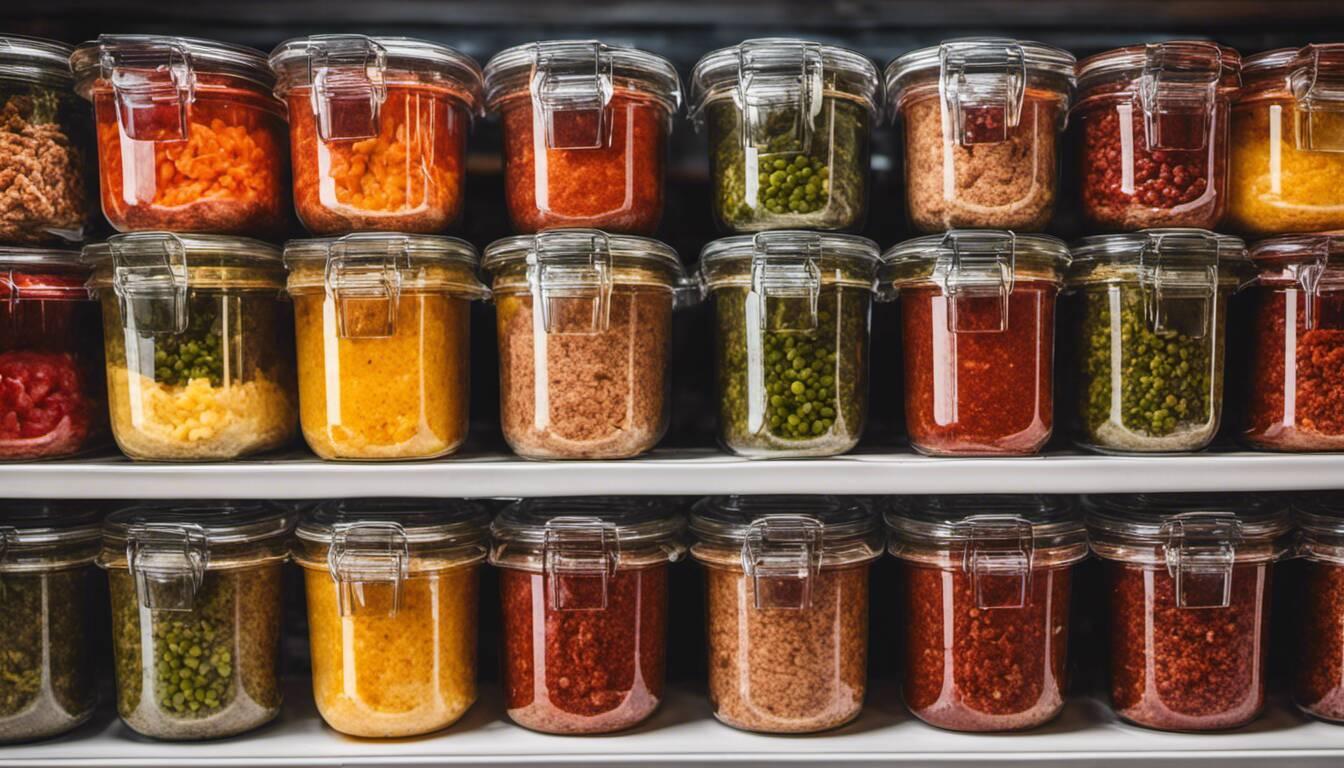
Choosing suitable containers for taco meat storage is essential to maintain freshness and prevent any leakage or cross-contamination in your refrigerator or freezer. Here are some factors to consider when selecting the right containers:

  1. Material: Opt for BPA-free plastic containers or glass containers with secure lids. These materials are ideal since they won’t react with acidic ingredients in the taco meat and can withstand temperature changes without cracking.
  2. Size: Consider the amount of leftover taco meat you typically have and choose containers to accommodate your needs. Various sizes on hand let you store smaller portions individually or larger batches for family meals.
  3. Airtightness: Ensure the containers have a reliable airtight seal. This prevents air from entering and keeps your taco meat fresh for longer, minimizing spoilage risk.
  4. Freezer-friendly: If you plan to freeze taco meat, look for containers labeled explicitly suitable for freezer storage. These are designed to withstand freezing temperatures without cracking or freezer burn.

Remember, proper labeling is crucial when storing taco meat in containers. Mark the date of preparation on each container to keep track of freshness and rotation.

By selecting the right containers for your taco meat storage, you can ensure that your leftovers and prepped tacos remain tasty and safe for consumption.

Keeping Taco Meat Moist: Preventing Dryness Factors

One of the biggest challenges when storing taco meat is preventing it from drying out. Dry taco meat can lead to a disappointing eating experience, as the flavors become dull and the texture becomes tough. To ensure your taco meat remains moist and flavorful, there are several factors you should consider.

Firstly, the type of meat you use for your tacos can greatly impact its moisture level. Lean meats like chicken breast or turkey tend to dry out more quickly than fattier meats like ground beef or pork. Choose meats with a slightly higher fat content to help retain moisture during storage.

Another factor that contributes to dryness is overcooking the meat. When preparing your taco meat, be mindful not to overcook it as this can lead to a loss of natural juices. Cook the meat until it’s fully done, without leaving it on the heat for too long. This will help lock in the moisture and prevent excessive drying.

For example, if you’re using ground beef for your tacos, cook it until it’s no longer pink but still tender and juicy. Overcooking it until it’s brown and dry can result in a lackluster eating experience.

The storage method you choose also plays a critical role in keeping your taco meat moist. It’s essential to store the meat properly to avoid air exposure that can cause moisture loss. Use airtight containers or freezer bags specifically designed for food storage. Remove as much air as possible before sealing the container or bag to minimize oxidation and prevent dehydration.

A helpful tip is to press down gently on the plastic wrap or Ziploc bag before closing it, so any excess air is released.

Additionally, temperature control is crucial for maintaining moist taco meat. Store your cooked taco meat in the refrigerator below 40°F (4°C) to inhibit bacterial growth and help preserve the moisture. Avoid leaving it at room temperature for an extended period, which promotes dehydration and can lead to spoilage.

Now that we’ve explored the factors to consider in preventing dryness, let’s discuss some serving suggestions that can help enhance the overall moisture level of your taco meat.

Enhance the juiciness of your taco meat by adding toppings or condiments that provide moisture. Consider using freshly diced tomatoes, salsa, guacamole, or sour cream as they can add additional moisture and flavor to each bite. You can also drizzle a bit of sauce or broth over the meat when serving to enhance its juiciness further.

Lastly, reheating taco meat should be done carefully to prevent further drying. When reheating leftovers, use methods that reintroduce moisture rather than stripping it away. Reheat the meat on the stovetop in a pan with a splash of water or sauce. This will help rehydrate the meat as it warms up and keep it tender.

Think of reheating taco meat like warming leftovers in a microwave without any added liquid versus reheating them on the stovetop with a bit of broth or sauce. The former can result in a dry dish, while the latter helps retain moisture and improves the eating experience.

By considering these factors and implementing proper storage techniques along with serving suggestions, you can maintain your taco meat’s moistness and overall quality, ensuring every bite is packed with flavor and tenderness.

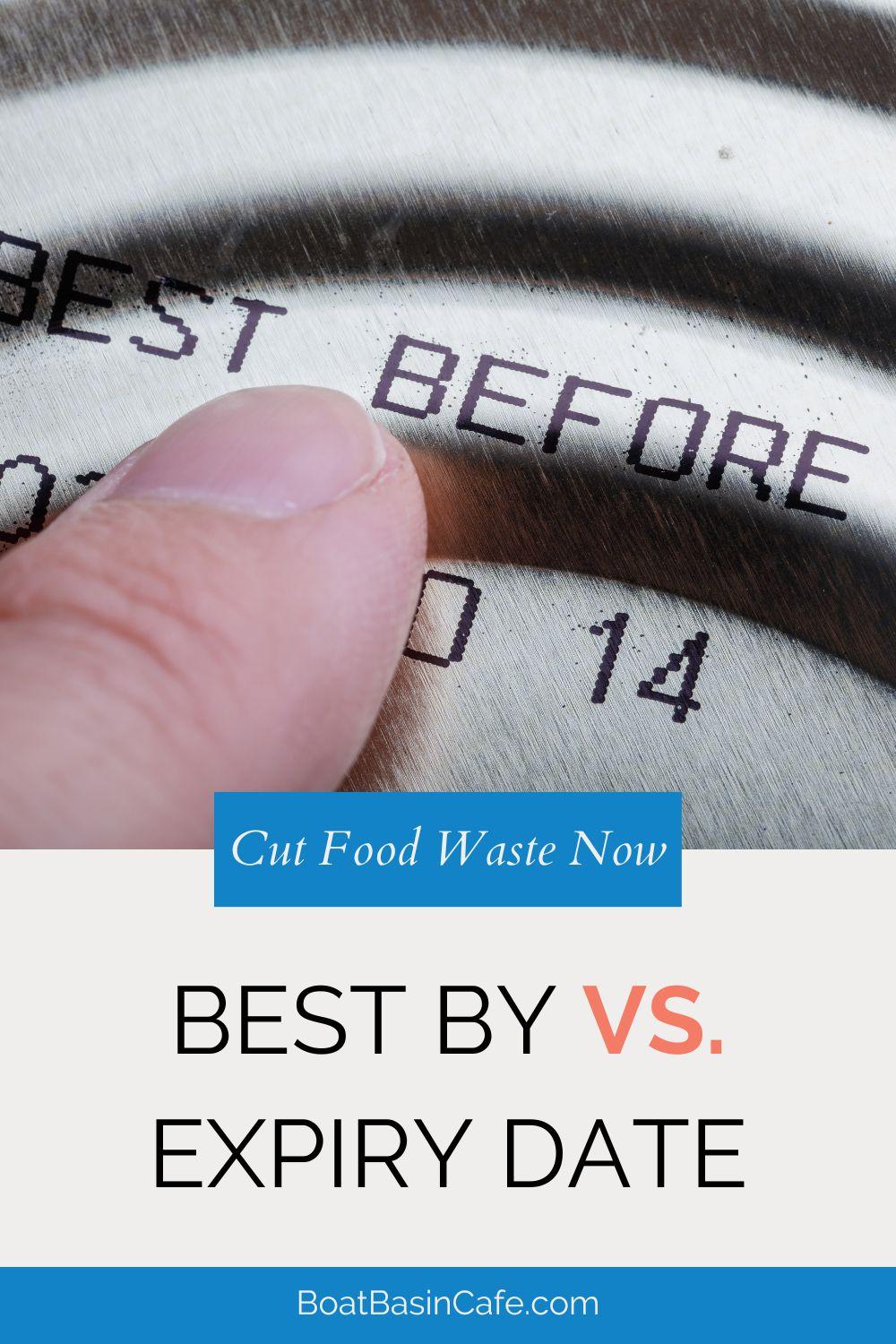
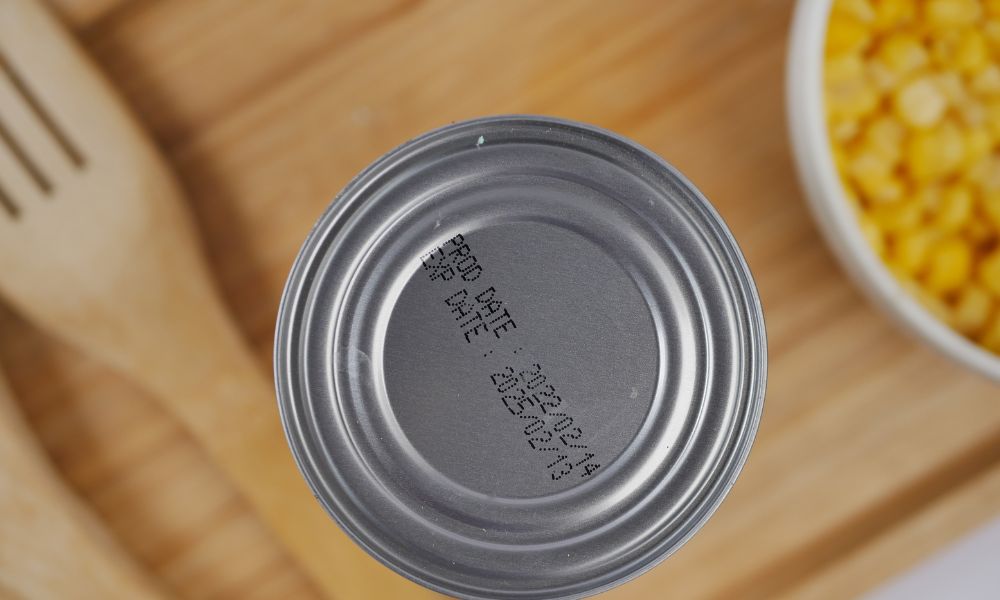
Best By vs. Expiry Date: Cut Food Waste Now

Confused about Best by vs. Expiration Dates? This article clears it up. Learn to save food and money.

[su_box title=”Summary of Key Points” style=”default” box_color=”#1383C8″ title_color=”#FFFFFF” radius=”3″]Best-By Date :
🍏 Freshness: Tells you how long the food will stay fresh and tasty.
🛑 Caution: Doesn’t mean the food is bad or unsafe after that time.

Expiration Date :
🚫 Last Day: Is the last safe day to eat the food.[/su_box]

Best By vs. Expiry Date: Cut Food Waste Now 3

Best By vs. Expiry Date: A Comparative Analysis

When it comes to food products, understanding the difference between Best By and Expiration dates is crucial for ensuring the safety and quality of what we consume. Although these dates may appear similar, they carry distinct meanings that can significantly impact our decision-making regarding consumption.

Comparing “Best By” and “Expiration” Dates📝

TopicBest By DatesExpiration Dates
PurposeIndicate when a food product will maintain optimal quality, including taste, texture, and freshness.Signify the last day a product is safe to consume.
SafetyThis does not mean the item is no longer safe to consume after this date.Beyond this date, there’s a risk of bacterial growth or spoilage.
ExampleConsider cookies with a “Best By” date of July 31st. Use your senses to check food after this date.Imagine milk with an expiration date of August 15th. Don’t consume it after this date.

On the other hand, let’s explore the significance of Expiration dates.

Expiration Dates: Unlike “Best By” dates, expiration dates signify the last day a product is deemed safe to consume according to manufacturer guidelines. Beyond this date, there may be a risk of bacterial growth or spoilage that could potentially lead to illness if consumed.

Throw out fish🐟 or meat immediately if they are past the expiration date. It’s generally advisable not to consume milk beyond this date, as it’s more likely to be spoiled and potentially harmful.

Understanding the key differences between “Best By” and “Expiration” dates enables us to make informed decisions about the safety and quality of our food products.

🏷️ Navigating the Labels on Your Food Items

Reading food labels while grocery shopping can be tough. But with practice, it gets easier. Here are some essential tips for navigating these labels:

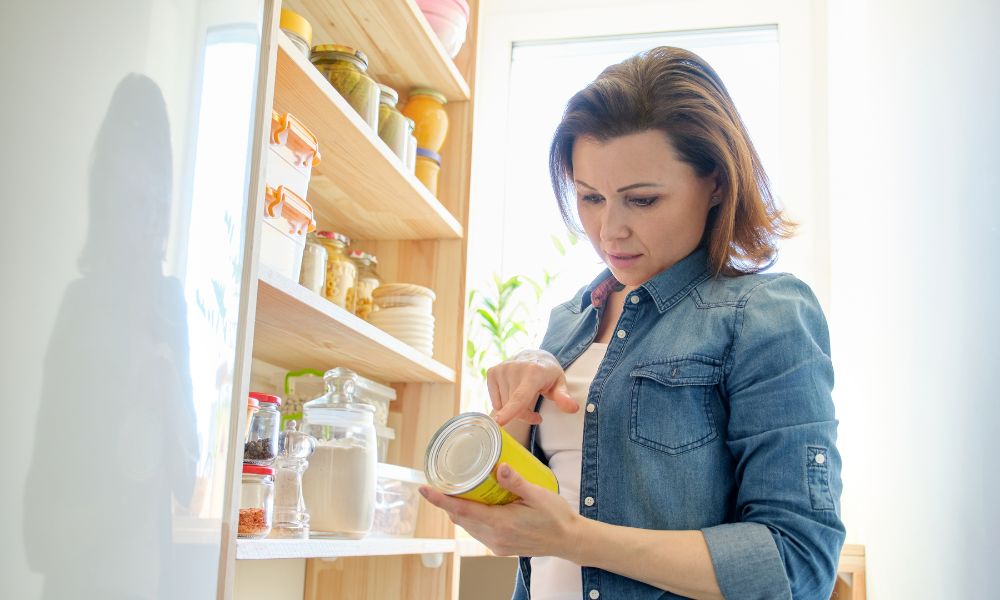
📖 Read carefully: Take your time to read and comprehend both the ‘Best By’ and ‘Expiration’ dates. Understanding their meanings empowers you to make informed choices about what to buy and when to consume it.

🍖 Prioritize perishables: Pay closer attention to perishable items like dairy products, meat, and seafood, as they tend to have shorter shelf lives. Ensuring these foods are fresh is vital for minimizing foodborne illnesses.

👀 Trust your senses: Before consuming any food item, rely on your senses of sight, smell, and taste to assess its freshness. Don’t eat if food looks or smells bad, even before its ‘Best By’ date.

🗓️ Plan your meals: To reduce food waste, plan your meals in advance based on the ‘Best By’ dates of the ingredients you purchase.

Seek clarification: If unsure about a particular date or label, don’t hesitate to ask store personnel or contact the manufacturer directly. Clarifying any doubts eliminates ambiguity and ensures that you make informed choices.

🍏Determining the Safety and Quality of Food Items

Best By vs. Expiry Date: Cut Food Waste Now 4

Knowing how to check food safety and quality is crucial for what we eat. While food labels provide valuable information, other sensory cues can help us make safe choices. Let’s explore some key factors:

📦 Packaging: One of the first indicators to consider is the packaging itself. Avoid food in damaged or bulging cans. These signs often mean the food could be bad.

👁️ Visual Inspection: Visually inspect the food for any discoloration, mold growth, or unusual texture. These signs can tell you if the food has gone bad.

👃 Smell: Another vital aspect to consider is the smell. The odor of a food product can reveal a lot about its freshness. For example, milk smells sour or eggs have an off-putting odor, so they should not be consumed.

🗓️ Expiration Dates: After discussing sight and smell, expiration dates and food labels also play a role in assessing food safety.

Interpreting Food Labels and Expiration Codes

Best By vs. Expiry Date: Cut Food Waste Now 5

📘 Food labels play a significant role in helping consumers make informed decisions about their purchases. Understanding these labels and expiration codes can greatly assist in determining whether a food item is still safe to consume or has passed its prime.

📅 Firstly, let’s differentiate between “best before” dates and expiration dates:

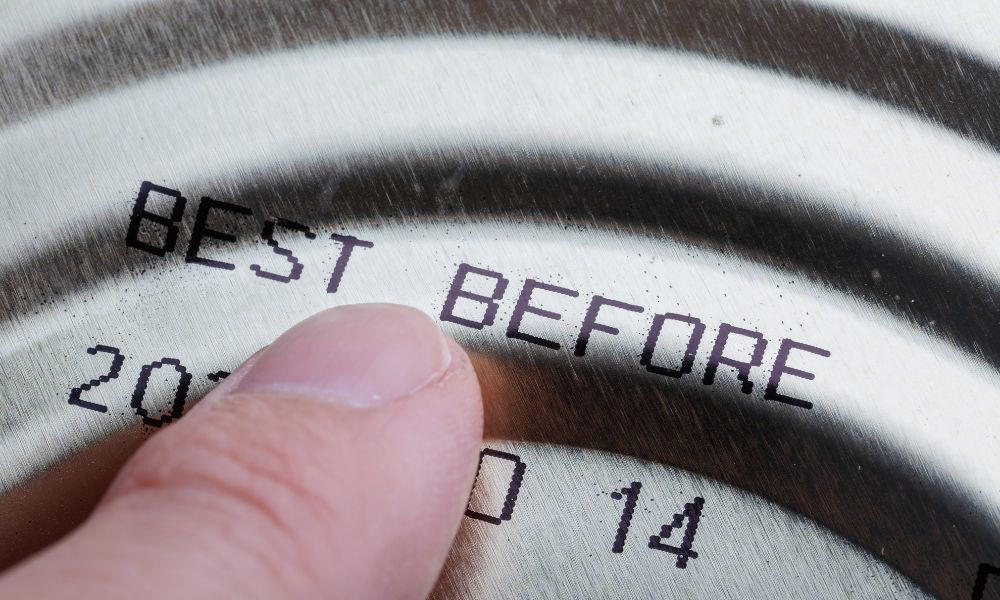
🗂️ Best Before Date: Refers to the period during which a product retains its optimal quality, including taste, texture, and nutritional value. It does not necessarily indicate that the product is unsafe after this date; rather, it may have lost some desirable qualities.

Example: Canned goods may lose their texture or color, while certain spices may lose their potency.

Note: The “best before” date is not an expiration date and does not automatically render a product unsafe for consumption.

🚫 Expiration Date: Indicates the last day a product is considered safe to consume.

Example: This particularly applies to perishable goods like fresh fish or meat, where consuming them beyond expiration poses a health risk.

Note: Some dry goods might still be safe after the expiration date, depending on how they’ve been stored.

🍏 Now that we have a clear understanding of food labels and expiration codes let’s explore practical tips for maximizing the shelf-life of our groceries through proper storage techniques.

Maximizing Grocery Shelf-Life: Proper Storage Techniques

Understanding proper storage techniques is paramount to minimizing food waste and maximizing our grocery purchases. By storing our food correctly, we can extend its shelf life and maintain its freshness for longer. Below are some essential tips to help you maximize the shelf life of your groceries:

🌡️ Temperature Control:

  • Vital for preserving the quality of perishable items.
  • Most foods need refrigeration below 40°F (4°C).
  • Regular cleaning of your refrigerator prevents cross-contamination.

🍏 Produce Storage:

  • Different fruits and vegetables have varying storage needs.
  • Bananas, apples, and citrus can be on the countertop.
  • Leafy greens and berries should be in the refrigerator.

📦 Proper Packaging:

  • Integral for extending grocery shelf life.
  • Use airtight containers or sealed bags for meat and poultry.
  • Transfer leftovers to airtight containers for longer freshness.

❄️ Freezer Use:

  • Greatly extends the shelf life of many groceries.
  • Divide large quantities into smaller portions for easy defrosting.
  • Label packages with the freeze date.

🔄 Stock Rotation:

  • An often-overlooked practice.
  • Place newly bought items behind older ones in the pantry or fridge.
  • With these proper storage techniques in mind, you can significantly reduce food waste and stretch the lifespan of your groceries.

Smart Canning and Storage Tips

Canning is an age-old method used for generations to preserve food. By carefully following the correct canning procedures, you can store various types of foods for extensive periods without compromising their quality.

🍓 Imagine the satisfaction of enjoying a taste of summer in the depths of winter – biting into a perfectly ripe tomato or savoring homemade strawberry jam. Canning allows us to capture the flavors of seasonal produce at their peak and enjoy them throughout the year.

Key Tips:

  • 🧼 Proper Sterilization: Ensure all equipment, such as jars, lids, and utensils, are thoroughly cleaned and sterilized before use. This ensures that no harmful bacteria or fungi are introduced during the preserving process.
  • 🍲 Hot Packing: This involves heating your food product (fruits, vegetables, or even meat) to boiling temperature before transferring it into sterilized jars. Hot packing helps destroy any potential microorganisms that could cause spoilage.
  • 🛢️ Sealing Jars: Using new lids with rubber seals and adequately securing them onto jars while still hot allows for airtight sealing. As the contents cool down inside the jar, a vacuum forms, preventing bacteria or air from entering and causing spoilage.
  • 🌡️ Storage Conditions: Keeping your canned goods in a cool, dark place is important for extended shelf life. Ideally, a pantry or cellar with stable temperatures between 50-70°F (10-21°C) will provide optimal conditions.

🍲 Consider the joy of opening a jar of homemade pickles or tomato sauce months after canning, knowing that the flavor and quality have been preserved. These smart canning and storage tips ensure that your homemade creations are safe to consume and retain their deliciousness for months.

Evaluating Food Safety After the Best By Date

Best By vs. Expiry Date: Cut Food Waste Now 6

After the “best by” date on a food product has passed, it’s natural to wonder whether it is still safe to consume. It’s important to remember that the “best by” date is not an expiration date but rather an indicator of when the product is at its peak quality. However, it doesn’t necessarily mean the food is no longer safe.

👁️ Using Your Senses

  • Sight: Check for discoloration or mold growth.
  • Smell: Pay attention to off-putting odors.
  • Taste: A bad taste indicates the food should not be consumed.

Example: Let’s say you have a carton of milk in your refrigerator that has passed its “best by” date. Before pouring it into your cereal bowl, give it a visual inspection. If you notice any lumps or curdling, it would be wise to discard it. Similarly, if the milk smells sour or unpleasant, it’s a clear sign that it has gone bad and should not be consumed.

🥫 Special Cases

  • Canned Goods: Known for their long shelf life and may still be safe after their “best by” date.
  • Warning Signs: Bloating or bulging cans are a red flag.

🌡️ Storage Conditions

  • Temperature: Affects how long food remains good.
  • Moisture: This can also impact the shelf life.

Example: Think of it this way: you wouldn’t eat a sandwich that has been sitting out on your kitchen counter for several days, even if it’s within its “best by” date. Similarly, if a perishable food item like fresh fish or meat has passed its “use by” date, it’s important to dispose of it immediately to avoid any potential risks to your health.

👍 Final Thoughts

  • Trust Your Senses: The most reliable method for evaluating food safety.
  • Use Common Sense: Consider how the food has been stored since its purchase.

By staying mindful of these considerations, you can make informed decisions about consuming food after the “best by” date. Remember, prioritizing food safety prevents potential health risks and helps reduce unnecessary food waste.

If you found this information helpful and want to learn more about extending the shelf life of other items in your pantry, check out our Food Coloring Expire Date and Proper Storage Techniques.

FAQs

Can consuming products past their best-by or expiration date lead to health risks?

Consuming products past their best-by or expiration date may not always lead to immediate health risks. These dates mainly show the food’s quality and freshness. But the food’s taste and nutritional value could get worse over time. A Natural Resources Defense Council study shows that about 90% of Americans waste food. They throw it away early because they are confused by best-by dates.

Are there any legal regulations around using best-by and expiration dates on food products?

Yes, there are rules for using best-by and expiration dates on food. In the United States, the FDA requires precise expiration dates on risky food items. Lawmakers have suggested a new rule called the Food Date Labeling Act to fix this. This rule aims to make date labels on food clearer.

How long after a best-by date is still safe to consume a product?

How long a food item is safe to eat after its best-by date depends on the food type, how you store it, and its package. Studies from the Food Marketing Institute reveal that nearly 84% of people think best-by dates show if food is safe. This belief causes more food waste.

What factors determine whether a product has a best-by or expiration date?

The food’s nature, ingredients, and spoilage risks decide if it gets a best-by or expiration date. Food Marketing Institute research shows that 20% of people wrongly think best-by dates are about food safety, not quality. Knowing the difference can reduce food waste.

Does labeling “best-by” versus “expiration” dates vary by country or industry?

Yes, how “best-by” and “expiration” dates are used changes by country and industry. A Food Marketing Institute study found unclear date labels cause household food waste. This shows the need for better labels in all countries and industries.